Skip to content
Applications

Where our lasers go to work.

Four processes, six industries. Below is what marking, welding, cutting and cleaning actually solve on each shop floor, and which machine does it. Tell us your part and we will point you at the right one.

The process stays the same everywhere. What changes is the material, the tolerance and the throughput, and that is what we configure.

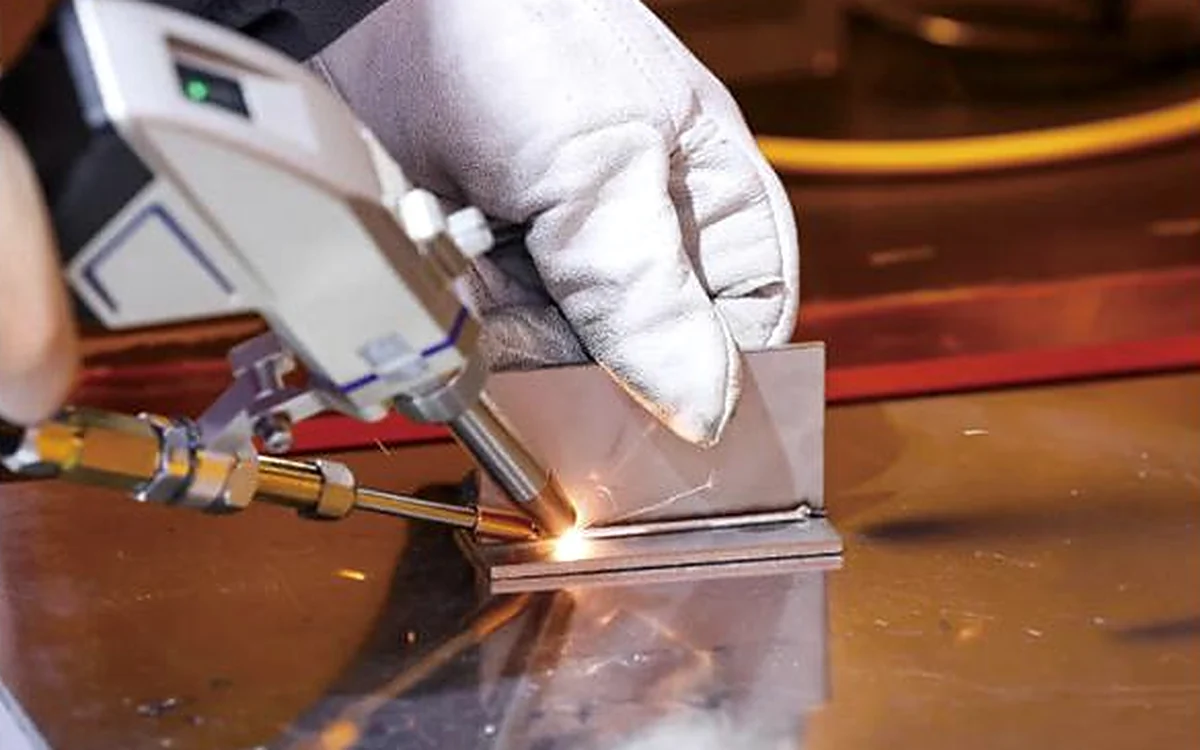
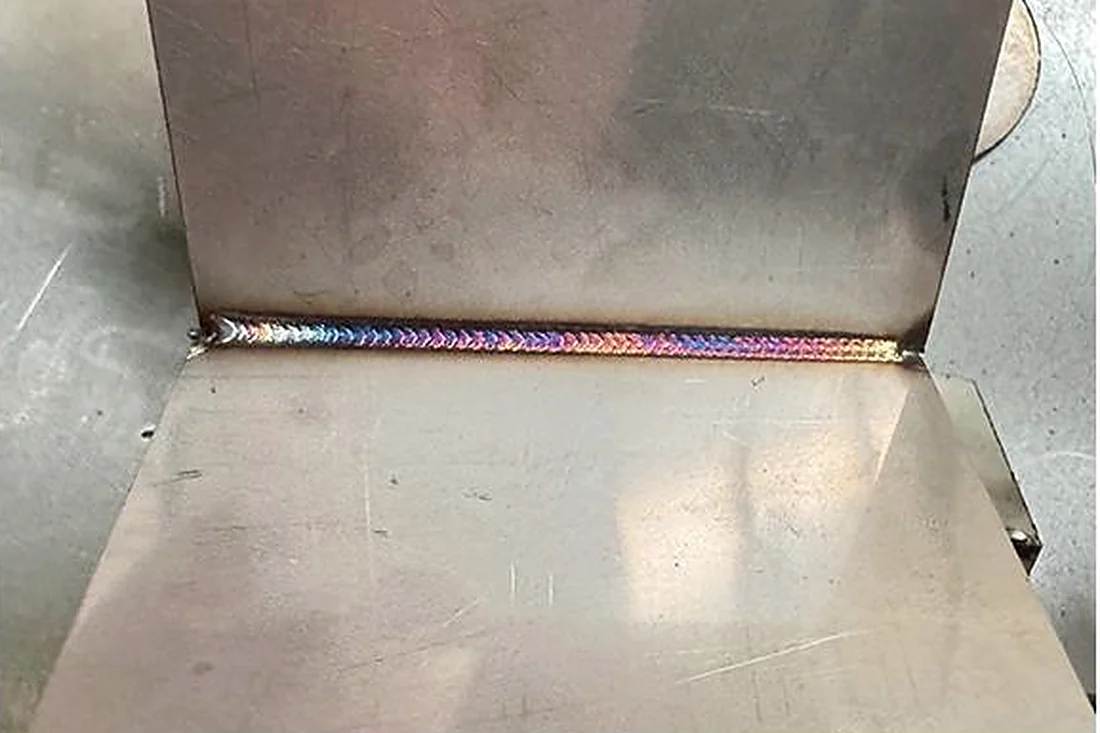
A laser weld seam running along a folded stainless steel part

Metal fabrication

Sheet, tube and structural work, where cutting, joining and finishing all happen under one roof.

Fabricators run mixed jobs in mild steel, stainless and aluminium. Fiber cutting takes the stock down to shape, handheld welding closes the seams without the grinding a TIG joint usually needs, and cleaning strips mill scale and oxide off the joint before welding and off the weld afterwards.
  • Cutting
  • Welding
  • Cleaning
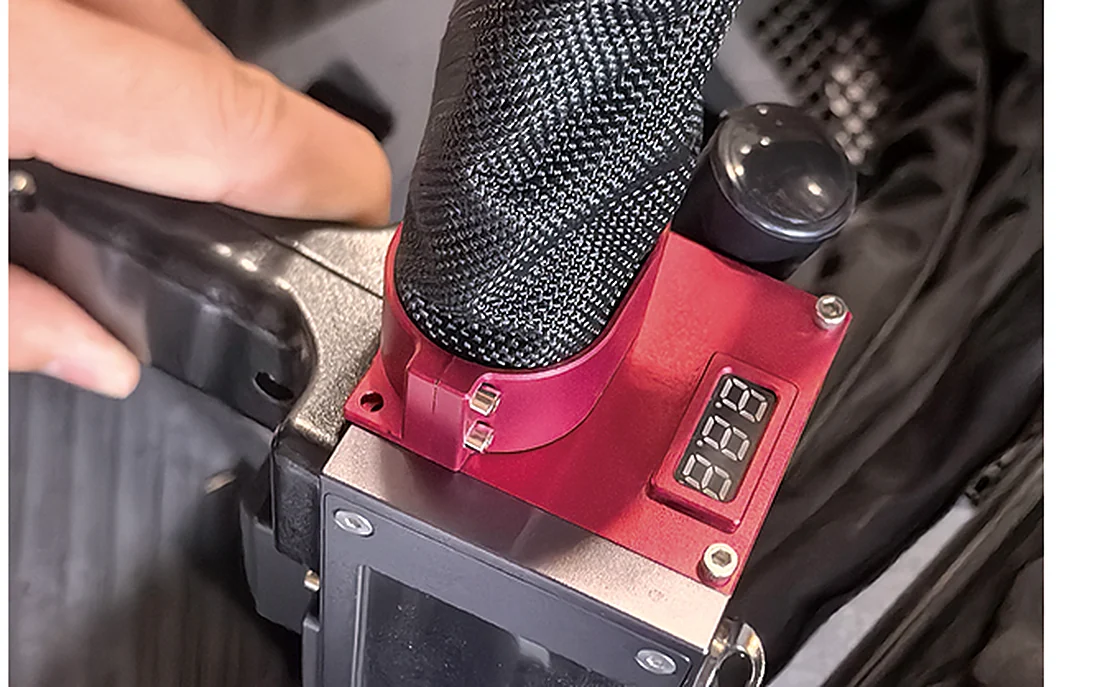
Handheld laser cleaning head being used on an automotive part

Automotive parts

Traceability on every part, and rust and coating removal on the parts that come back.

Automotive supply chains want a permanent code on the part, not a label that falls off in a degreaser. Fiber marking puts a readable DataMatrix or serial straight into the metal. On the repair and remanufacture side, laser cleaning lifts rust, paint and old coating off a panel or a casting without blasting media, water or chemicals.

  • Marking
  • Cleaning
  • Welding
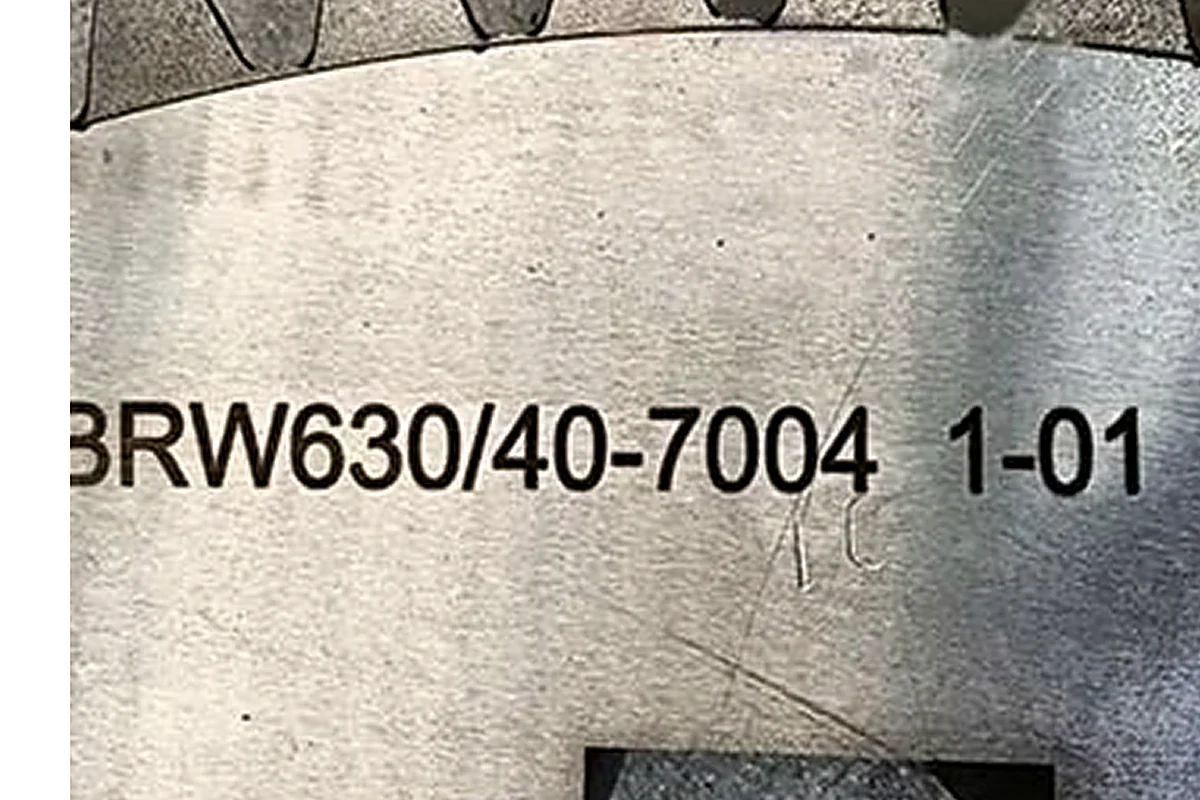
Steel gear laser-marked with a part number next to a machined tooth profile

Hardware & tools

Logos, sizes and part numbers on high volumes of small metal parts.

Hand tools, fittings, fasteners and blades all need branding and size markings that survive use. A galvo fiber marker handles them at up to 7,000 mm/s, and a rotary fixture takes care of round stock. Where parts arrive on a belt, fly-marking keeps the line moving instead of stopping for each piece.

  • Marking
  • Cutting
Sample plates showing rust, paint and oxide removed by laser cleaning

Mould & die

Cleaning tools without touching the tool surface.

Moulds pick up residue, release agent and carbon that has to come off without changing the cavity. Laser cleaning is non-contact and tuneable: it removes the layer above the substrate and stops there, so the tool stays dimensionally intact and there is no blasting media to dig out of the vents afterwards.

  • Cleaning
  • Marking
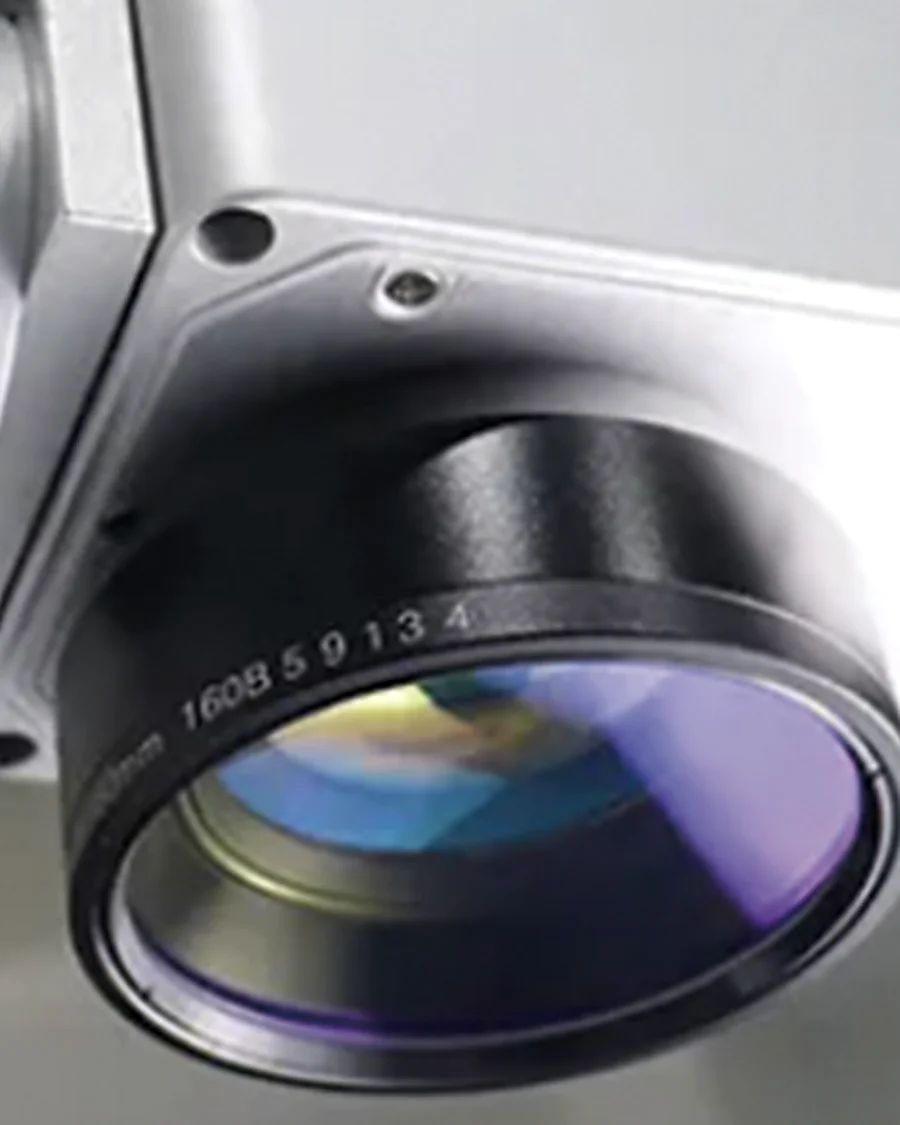
F-theta scanning lens of a fiber laser marking head

Electronics & PCB

Marking the materials a fiber laser would damage.

Connectors, housings, plastics and coated boards need a mark with almost no heat behind it. This is where UV takes over from fiber: a 355 nm beam produces a cold mark with a very small heat-affected zone, so the plastic does not burn or discolour around the code.

  • Marking
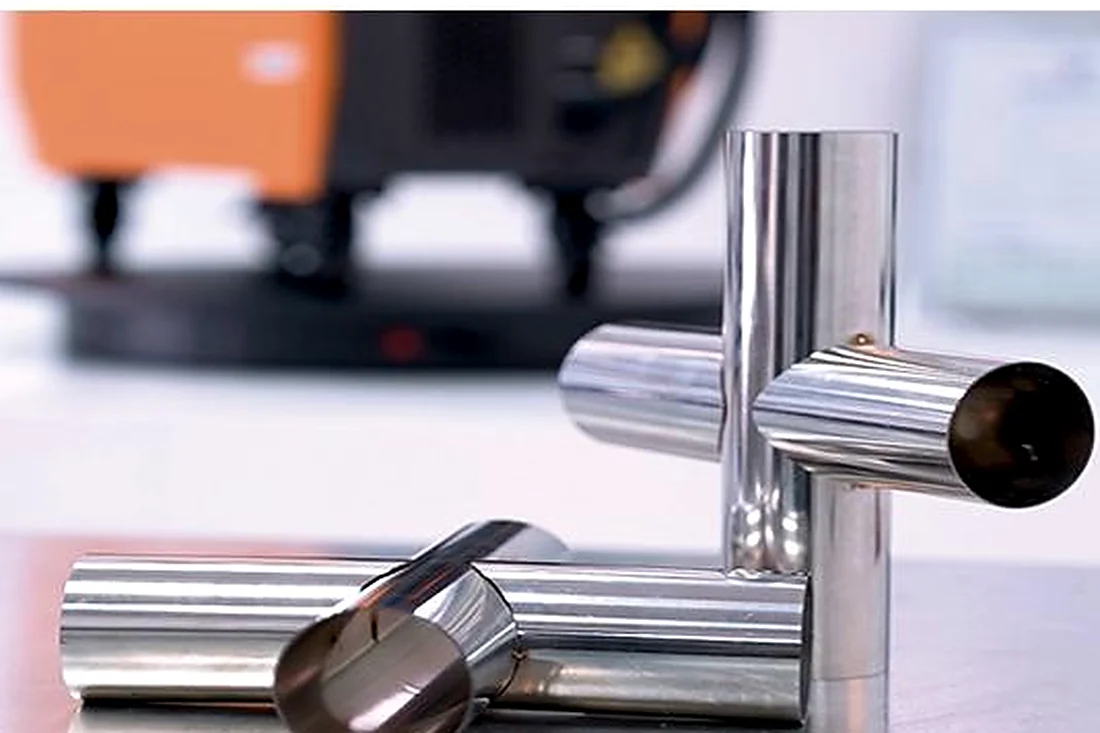
Stainless steel tubes joined by laser welding

New energy & battery

Precise joins on thin metal, and clean surfaces before the join.

Battery and new-energy assemblies mean thin, conductive material and joints that have to be consistent. Laser welding puts a controlled amount of energy exactly where the joint is, and cleaning prepares the surface first: no flux residue, no abrasive dust in the assembly.

  • Welding
  • Cleaning
Your industry not listed?

Send us the part. We’ll tell you if a laser is the right tool.

Material, thickness and what you need done. If a laser is not the right answer for your job we will say so. A machine that sits idle helps neither of us.

Get a Quote Explore all machines